

Next Stop: St Helens
It’s the start of a new era for buses in the Liverpool City Region. Bringing the whole network under public control is a major change that will happen in stages, starting in St Helens.
We are currently working hard behind the scenes to purchase hundreds of state-of-the-art new vehicles, upgrade depots and prepare the first phase of the network.
While we move toward this new way of running buses in our region, many of the most important things about the bus network will stay the same.
The network you rely on and the stops you use every day will continue to work as usual, even as we set out, area-by-area to improve and grow the network.
What's changing in St Helens?
Bringing buses back into public control is all about making travel better for you.
We are increasing how often and at what times many buses run to make journeys more convenient, extending some routes and introducing some new ones.
In St Helens the important changes are:
- New X3 Express service to Liverpool John Lennon Airport
- Two hourly frequencies in St Helens increased to hourlyEarly morning express journey to Southport and an evening return
- 33 service extended to Waterside Village/Lowfield Lane
- 35 service extended to Bold (daytime) and will operate Gillars Green – St Helens Junction (evenings and Sundays)
- Frequency on the 34/34A service is being increased. Evening journeys extended to Leigh.
- New service 612 (replacing service 20) creating new links for more people.
- Bigger buses on the 89, 320, 352 services
- Improved access to Edge Hill University & Ormskirk
- Improved access to St Helens Cemetery
- Improved frequency around Rainford Junction
- Revision of services in Eccleston to link to Knowsley Road
- Evening & Sunday journeys introduced on 22 (to become the 322)
As part of these updates, a small number of services will also be given new route numbers. We are doing this to remove duplicates and create one simple, network for the whole Liverpool City Region making it easier for people to plan their journeys.
The 12 service will become the 23
The 22 service will become the 322
The 37 service will become the 25
The 60 service will become the 24
the 152 service will become the 37/37A/X37
the 153 service will become the 25A
For timetables, routes and ticketing information please click the links below.
A Network Designed For You
For the first time in decades, we will run bus services that put passengers first, moving away from a messy system of competing companies to create one network that works better for everyone.
Bringing the buses under public control allows us to:
- Set the Standards: lean, safe and reliable bus network you can count on every day.
- Investing in new high-quality buses: Your new buses have been designed to be more comfortable, accessible and better for the environment.
- Simplify your Fares: Moving towards a simpler, capped fare system which will guarantee passengers always pay the best price for their journeys across the whole Liverpool City Region.
- Build connections for our communities: Linking you to opportunities, each other and all our region has to offer by running routes where they are most needed, not just where they are most profitable.
How will bus services improve from day one of the new publicly run network?
- More frequent services: Bringing all two-hourly buses up to every hour and introducing more weekend services.
- Extended routes: Extending certain routes to improve access to hospitals and train stations.
- Improving reliability: Making sure buses run at consistent times throughout the whole day, while keeping the bus services you rely on.
- Express connections: Brand new limited-stop services like the new X3 from St Helens town centre straight to Liverpool Airport, making it quicker and easier to travel to work, see friends and family or enjoy the City Region and beyond.
Better Buses, Better Journeys
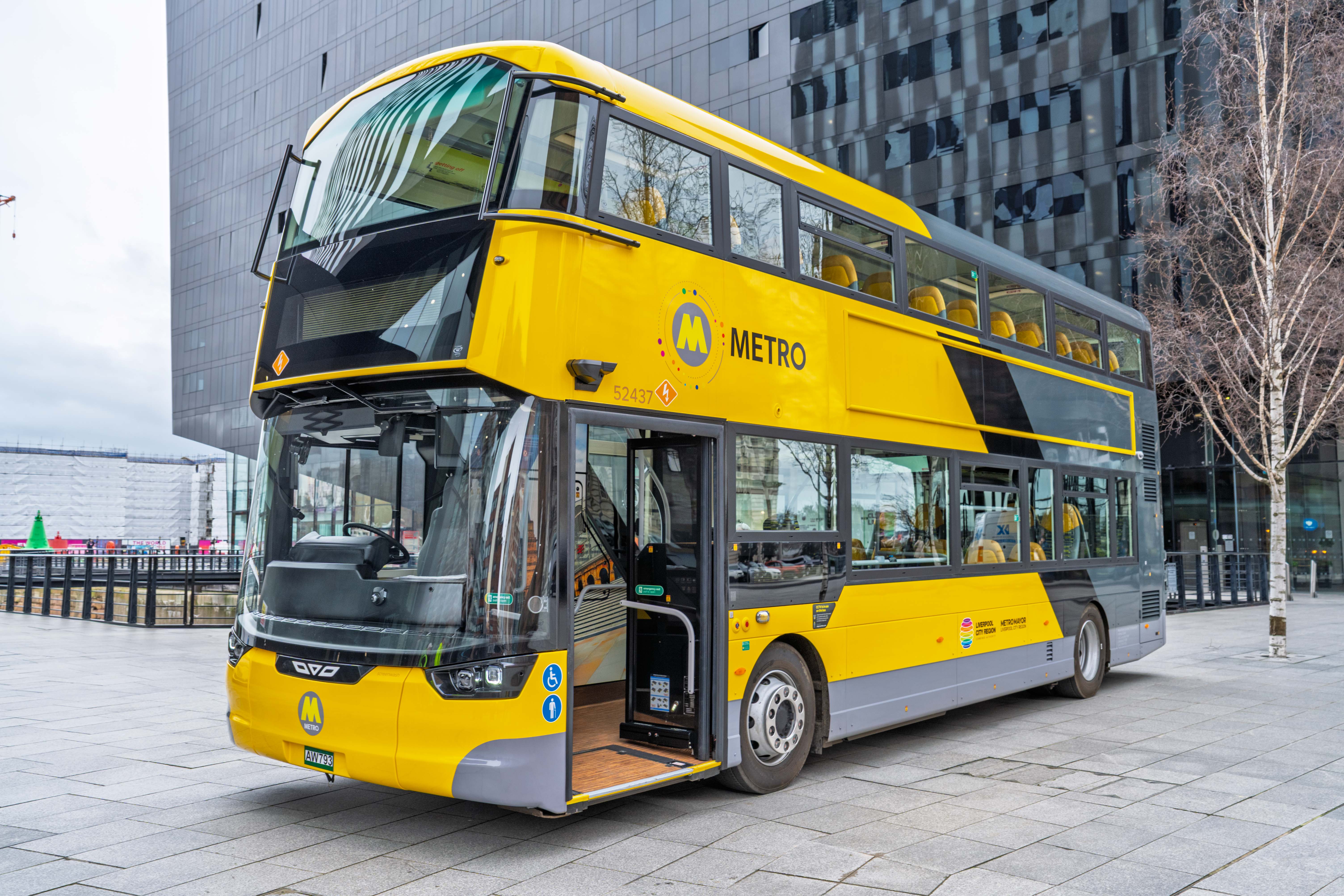
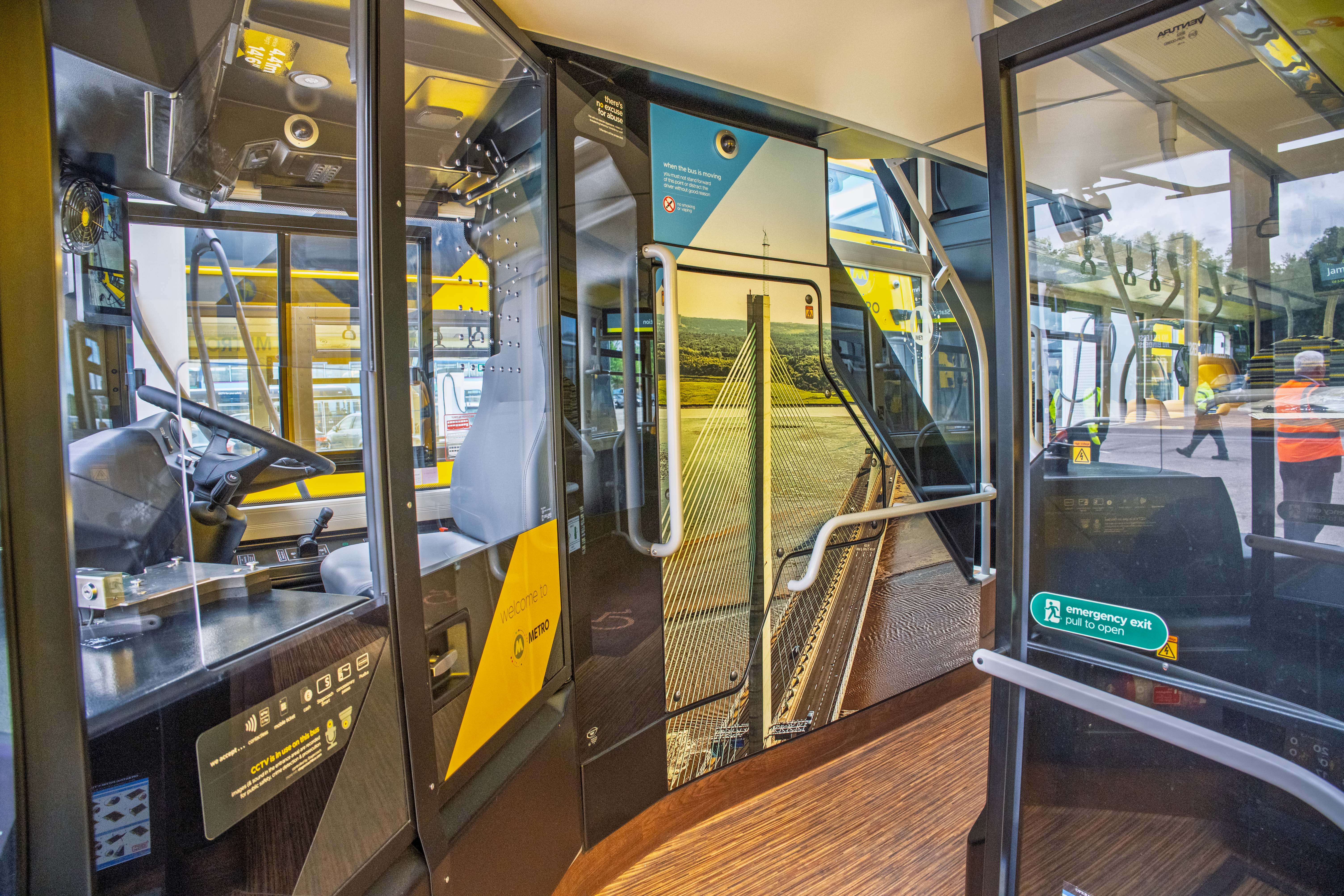
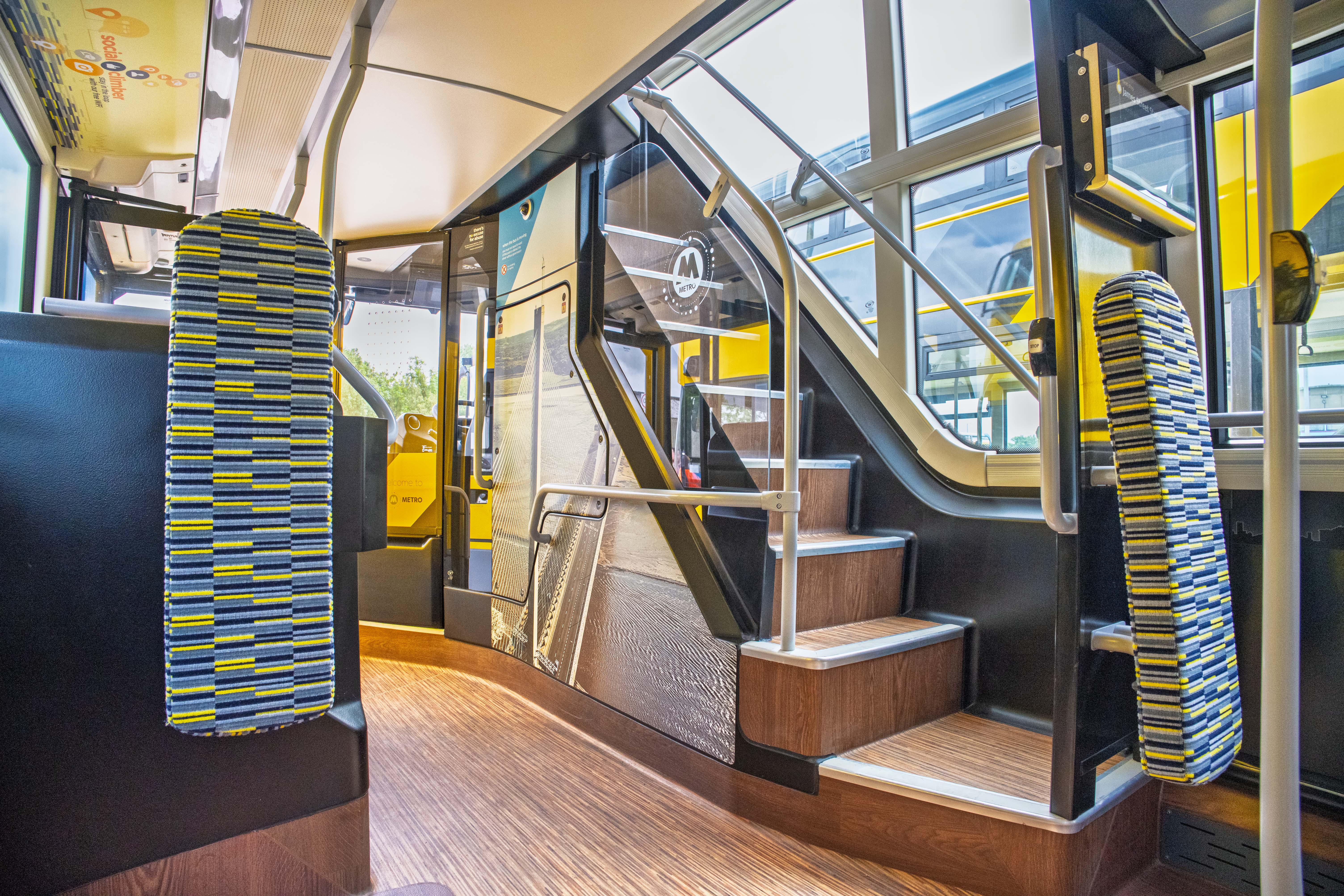
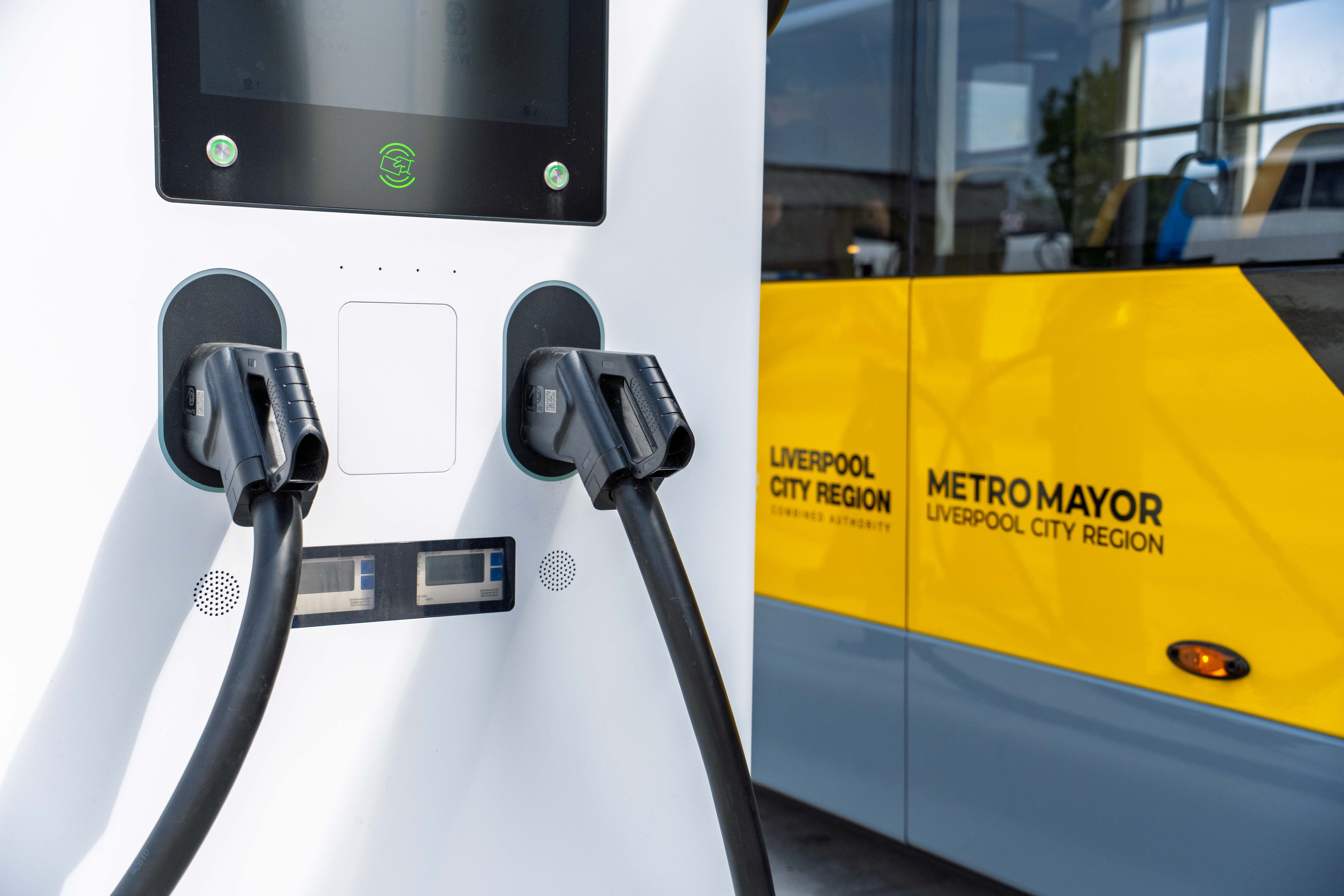
As we bring our network back into public control, we’re also rolling out an-all new fleet of low-emission buses.
Just like our new trains they’re owned by us, the people of the Liverpool City Region, and have been designed around the needs of passengers.
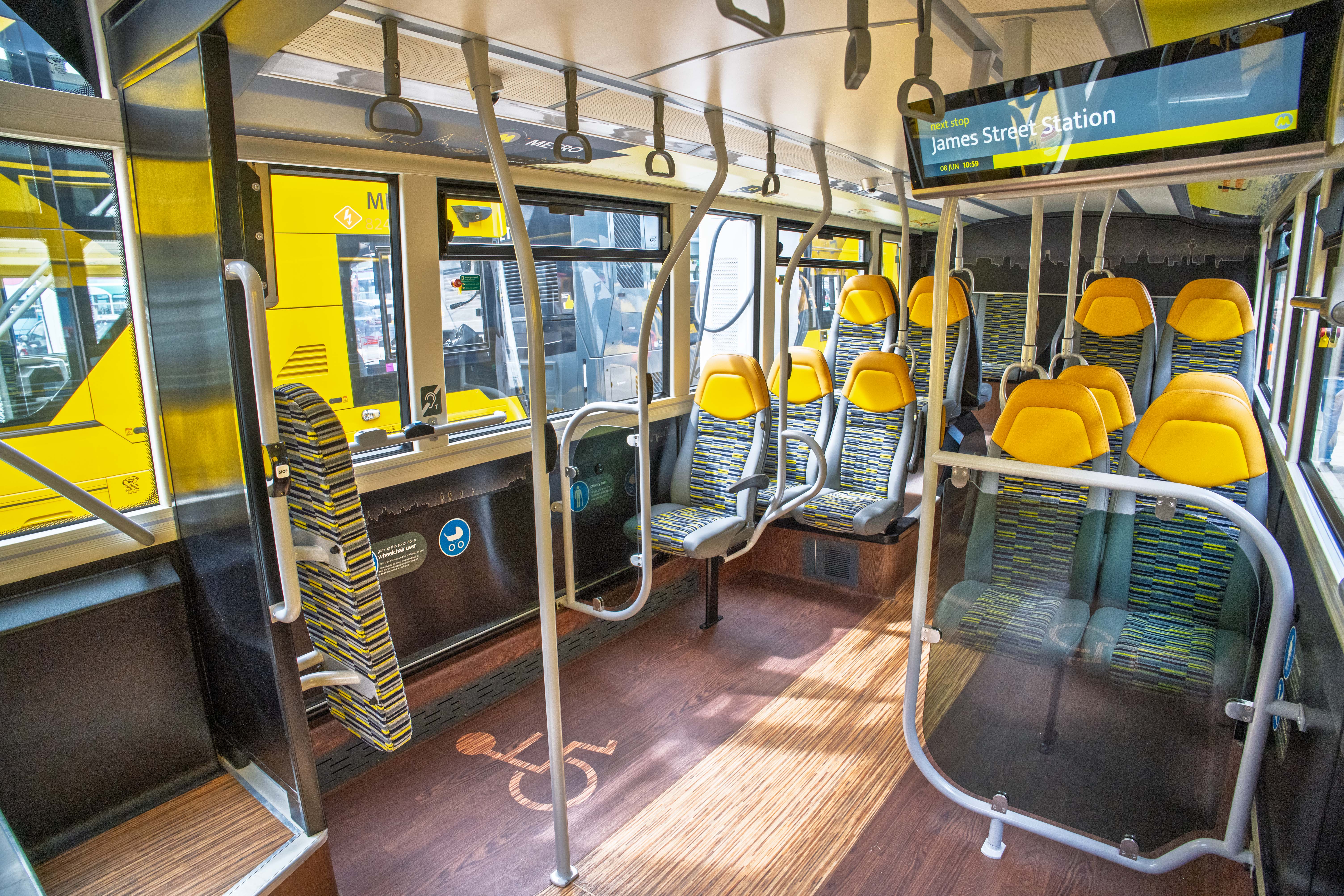
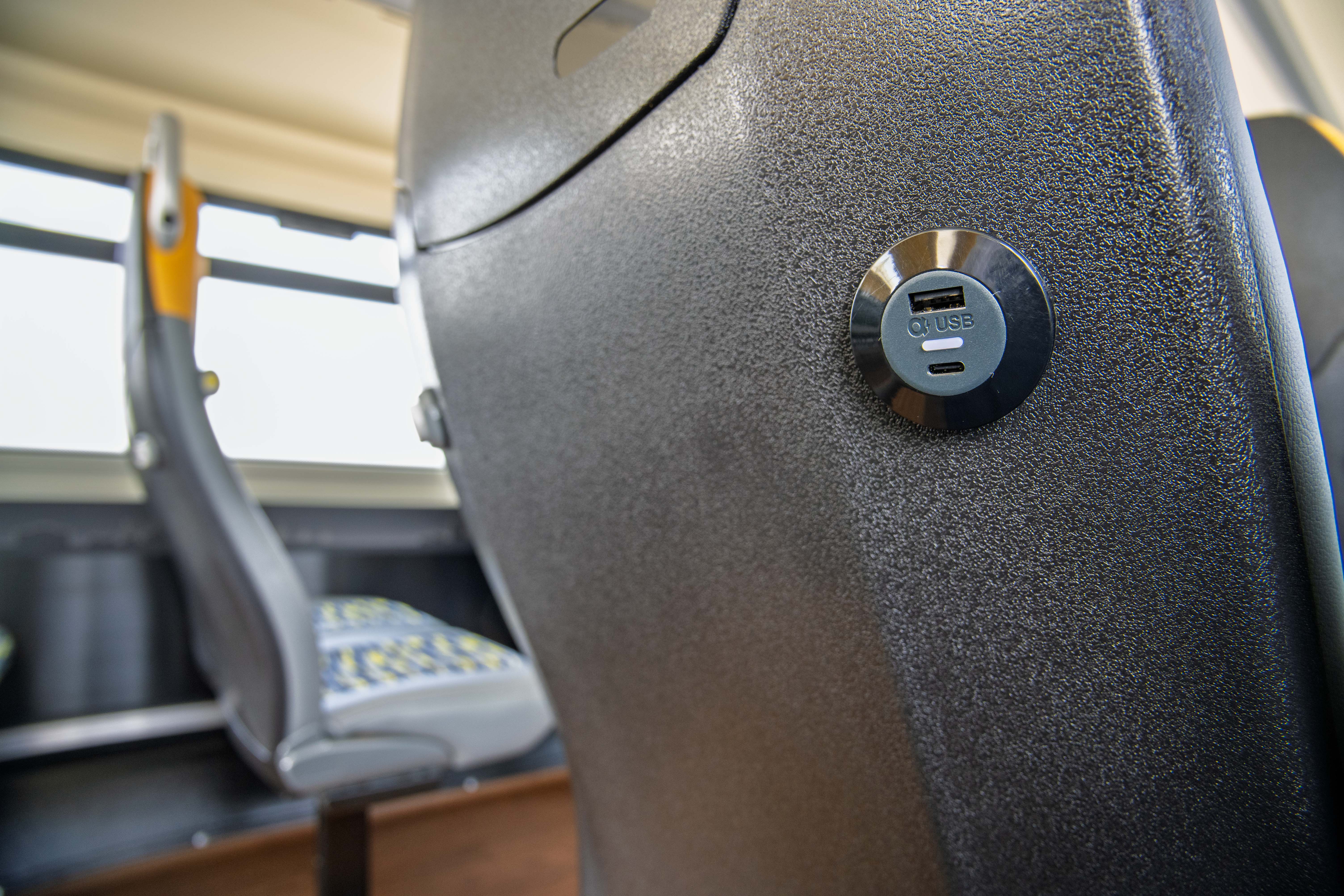
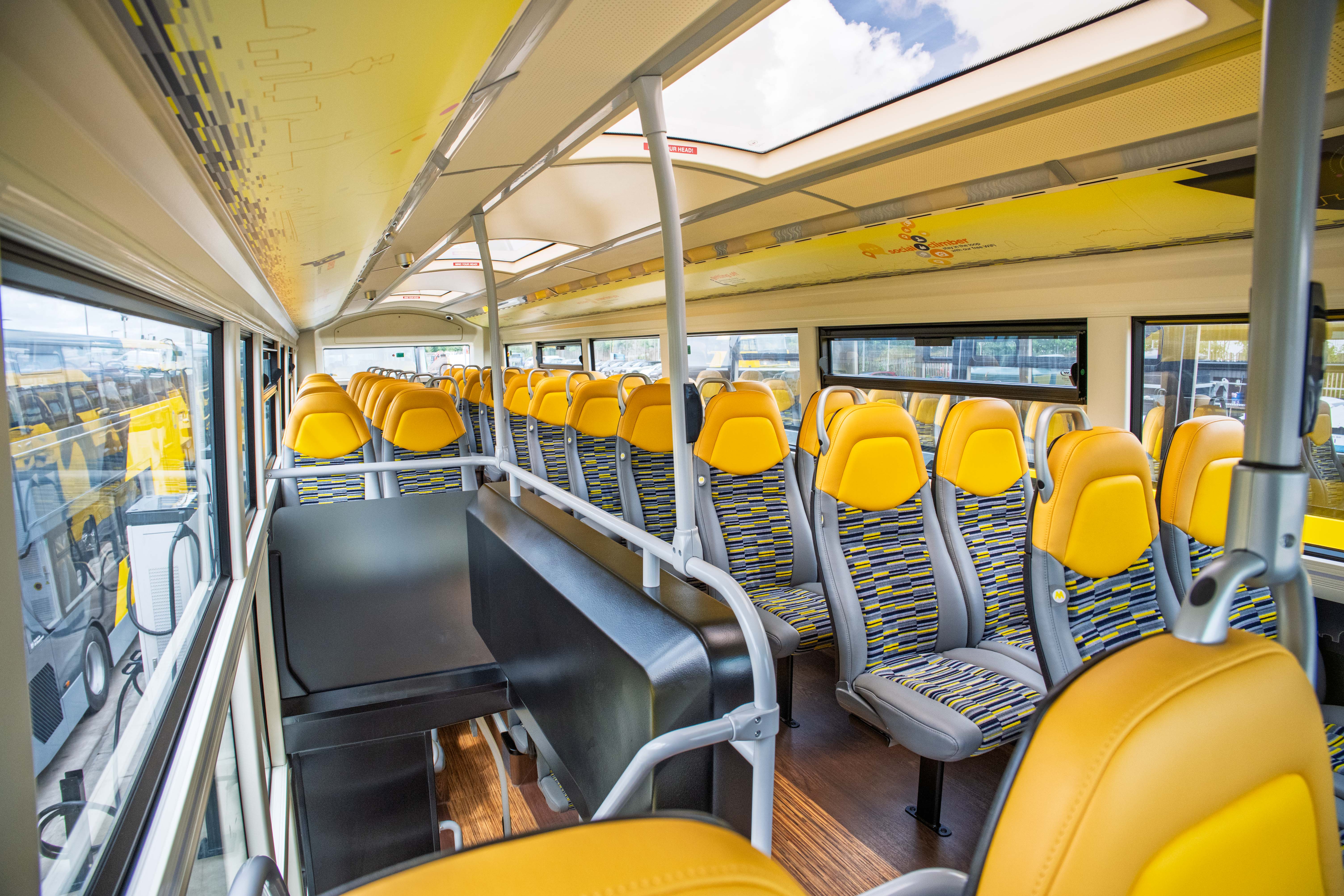
The state-of-the-art vehicles are fitted with lots of new features, including air-conditioning, USB charging points and more comfortable seats.
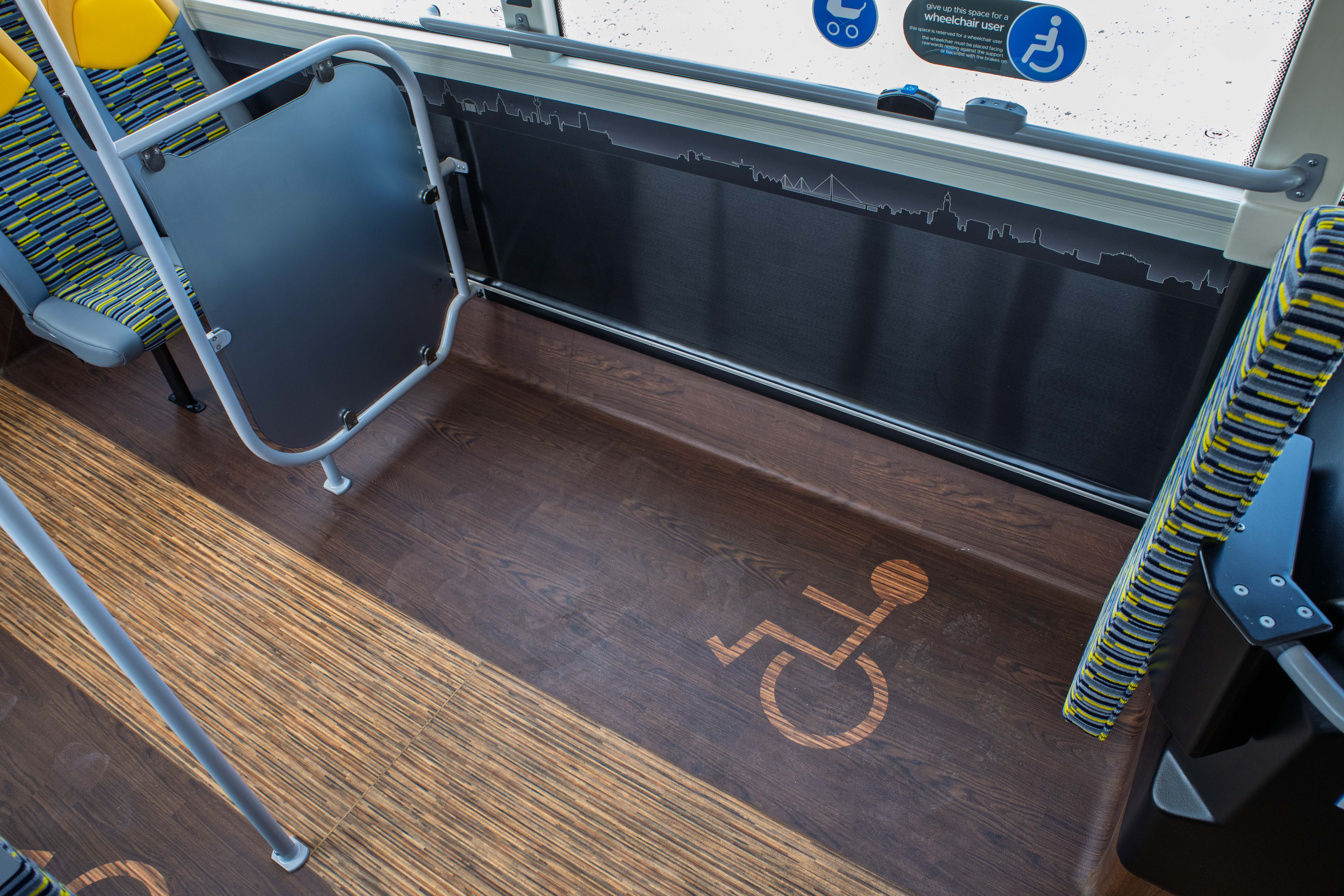
And with more the space for wheelchairs and prams as well as audio-visual announcement technology, your brand-new buses will make travel easier for everyone.
Our new buses will deliver cleaner, more comfortable journeys for the hundreds of thousands of people who travel by bus every day in the City Region.
Frequently Asked Questions
A: Right now, private bus operators decide where to go, when to run, and how much to charge. By bringing our bus network under public control, we are putting the power back into local hands.
This allows us to design a network that prioritises passengers over profits—reinvesting in better routes, more evening and weekend services, and running buses where they are most needed, not just where they make a profit.
A: The Liverpool City Region Combined Authority will select the operators and decide the routes, timetables, and standards.
The buses will be operated on the ground by professional transport companies working under public contract.
The Combined Authority will hold these operators to strict standards to ensure every service across the region is required to keep buses clean, safe and reliable.
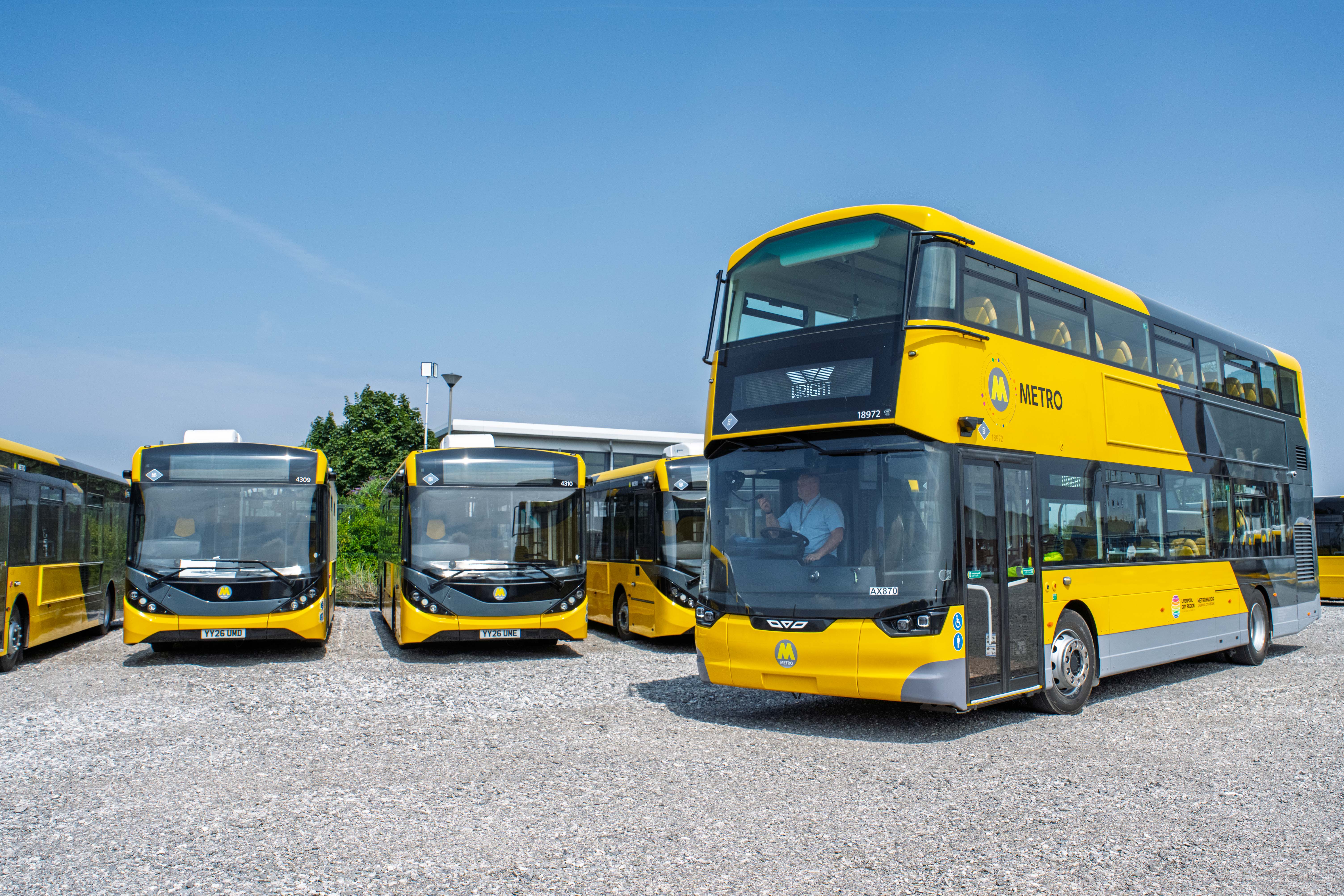
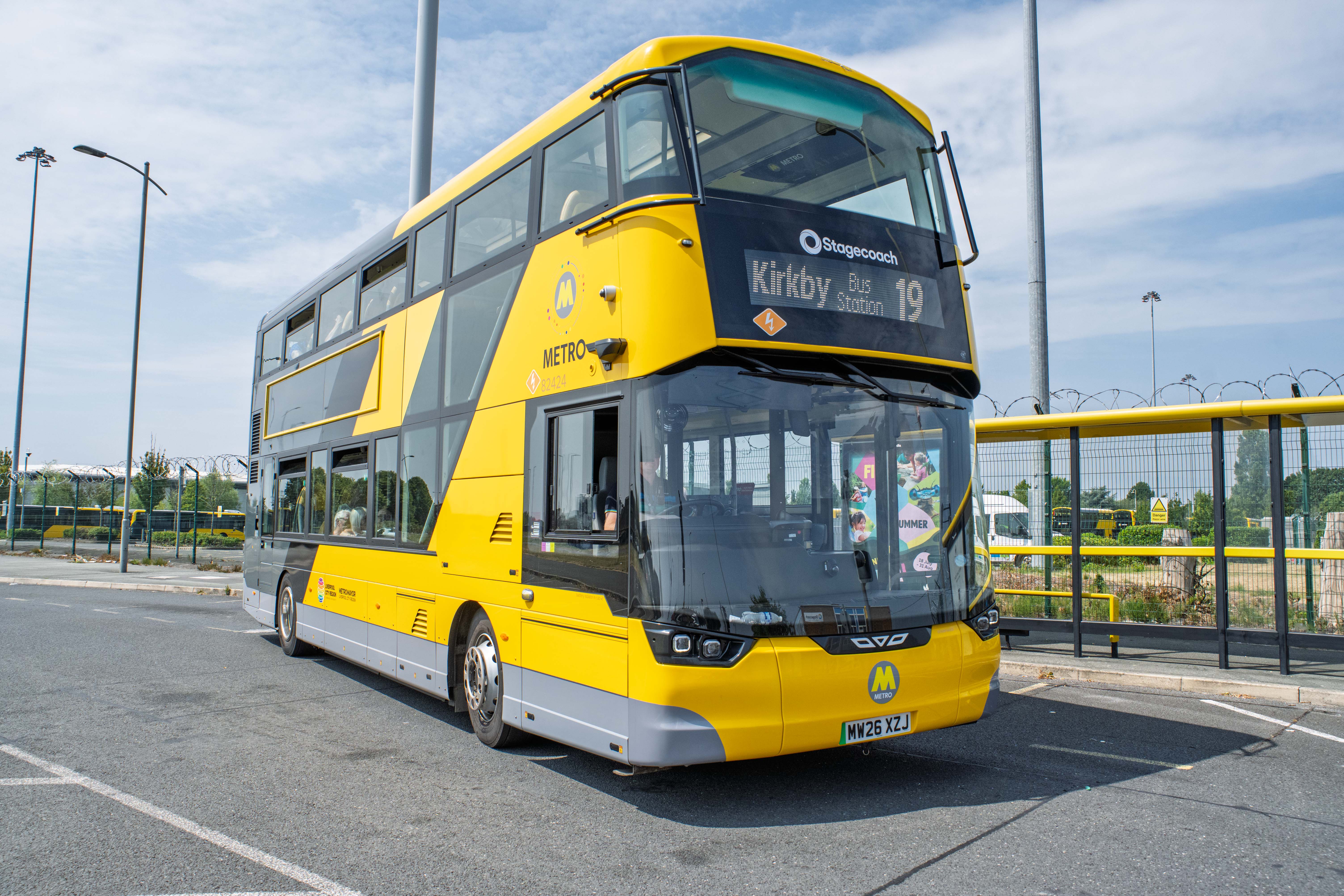
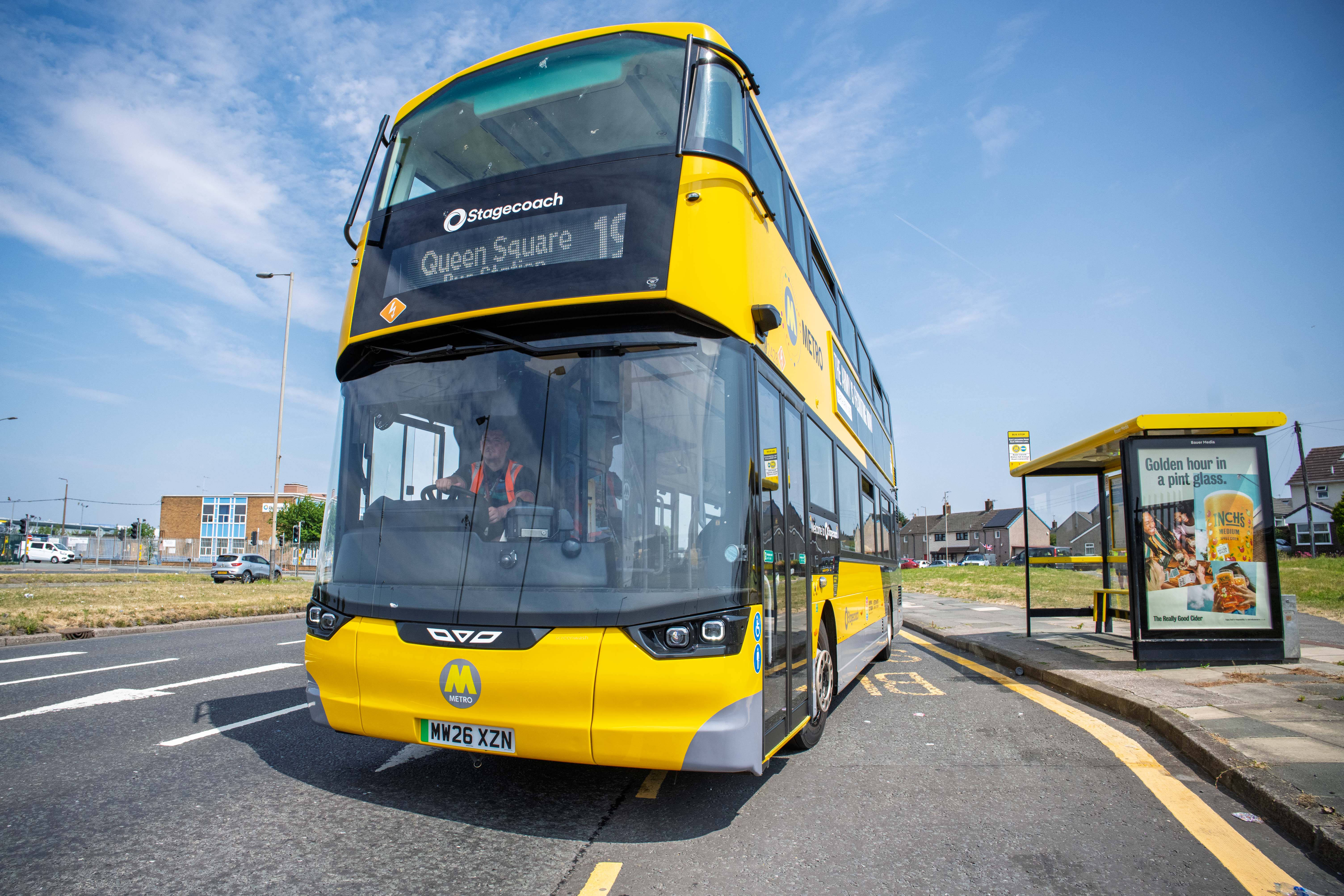
A: We are backing the transformation of our bus network with a major multimillion-pound investment to roll out a fleet of high-quality vehicles across the network - all decked out in distinctive yellow, grey and black.
Some of these new buses are already in service, with even more currently in production, while work continues to upgrade our local depots to support our new bus fleet.
These state-of-the-art buses are being specifically designed to be more comfortable, accessible and significantly better for the environment.
A: Bringing buses back under public control is a huge project that is happening in stages across the Liverpool City Region. The first publicly controlled services will hit the streets in St Helens and Wirral in autumn 2026.
The publicly-run network will then grow to include Knowsley, Liverpool and Sefton in summer 2027, with the entire regional bus network brought under public control by the end of next year.
A: Yes. While we move toward this new and better system, the most important things about the bus network won't change.
The services you rely on and the stops you use every day will continue to work as usual, even as we set out, area-by-area, to improve and grow the network.
To help align everything into a simpler, region-wide network, we will need to renumber a small number of services. We will make sure to share these details well in advance of the introduction of franchising in each borough, so you know which new number bus to catch.
A: Public control means we can decide where buses go, how often, and when they run.
While the stops and services you use every day will continue to work as usual during the move to the new publicly-run system, we will actively be working area-by-area to improve and grow the network.
This will also mean we have the option to bring in brand-new services, like the express route linking St Helens town centre to Liverpool John Lennon Airport which will be launched in September.
A: One of the main benefits of bringing the network under public control is that we will be able to make decisions over timetables.
Because we can focus on passenger needs rather than commercial profit, we are actively working to make services more frequent, run later into the evenings and introduce more weekend services on certain routes.
A: Nothing changes for you right away. Because we are bringing the network under public control in a phased, step-by-step way, bus services in your area will continue to run exactly as they do now. You will still be able to use operator-only tickets and will still report lost property directly to operators as you currently do.
Of course, because some bus routes cross over the boundaries between different areas, you might find that some services are running a little differently even if you don't travel directly within St Helens or Wirral.
See above for a list of services which are changing and you can always speak to our customer services team to find out more about whether the service you use has changed.
A: We are currently working hard behind the scenes to prepare for the first phase of the network.
As we approach the launch date for the rollout of franchising in each borough, updated timetables will be made available so you can easily check timetables.
You will also continue to be able to use the Merseytravel Journey Planner app to and find the best route across the region's transport network.
A: Yes. If you currently travel using a national concessionary travel pass, a Merseytravel Over-60s pass or a Disabled Person's travel pass, you will be able to use your pass exactly as you do now.
A: Under public control, there will be a single point of accountability for the entire bus network.
Instead of dealing with various private operators, you will be able to submit feedback, report reliability issues, or locate lost property through a centralised, passenger-first customer service system. More information will follow in the coming months.
A: Our new, publicly owned fleet is being designed from the ground up to help more passengers travel comfortably, safely and independently.
Every new vehicle will feature state-of-the-art accessibility standards, including level boarding or low-floor entry and clear audio-visual announcements for upcoming stops. Larger buses will also feature more dedicated space for wheelchair users and pushchairs.
A: Although Halton was part of the original consultation the bus network there will not be brought under public control at this stage. Instead, buses in Halton will run under a permit system to make sure they connect smoothly with the rest of the network.
We have included Halton as an option in the contract bidding process so it can easily join the franchise system later. In the meantime, we are working closely with partners to protect local services and make sure residents still get consistent, high-quality travel.